Transcription and translation are fundamental processes in molecular biology that play a crucial role in the synthesis of proteins. These processes are essential for the expression of genetic information encoded in DNA, allowing cells to produce the necessary proteins for their structure and function.
Transcription is the first step in protein synthesis, where the genetic information in DNA is transcribed into a complementary RNA molecule. This process takes place in the nucleus of the cell and is carried out by the enzyme RNA polymerase. The resulting RNA molecule, known as messenger RNA (mRNA), carries the genetic code from the DNA to the ribosomes for translation.
 Transcription And Translation Worksheet
Once the mRNA is transcribed, the next step is translation, where the genetic code is translated into a sequence of amino acids to form a protein. This process occurs in the ribosomes and involves transfer RNA (tRNA) molecules that bring the correct amino acids to the ribosome according to the mRNA sequence. The ribosome then catalyzes the formation of peptide bonds between the amino acids, creating a polypeptide chain that folds into a functional protein.
Transcription and translation are tightly regulated processes that ensure the accurate expression of genes in cells. Mutations or errors in these processes can lead to genetic disorders and diseases. Therefore, understanding the mechanisms of transcription and translation is essential for studying gene expression and protein synthesis in cells.
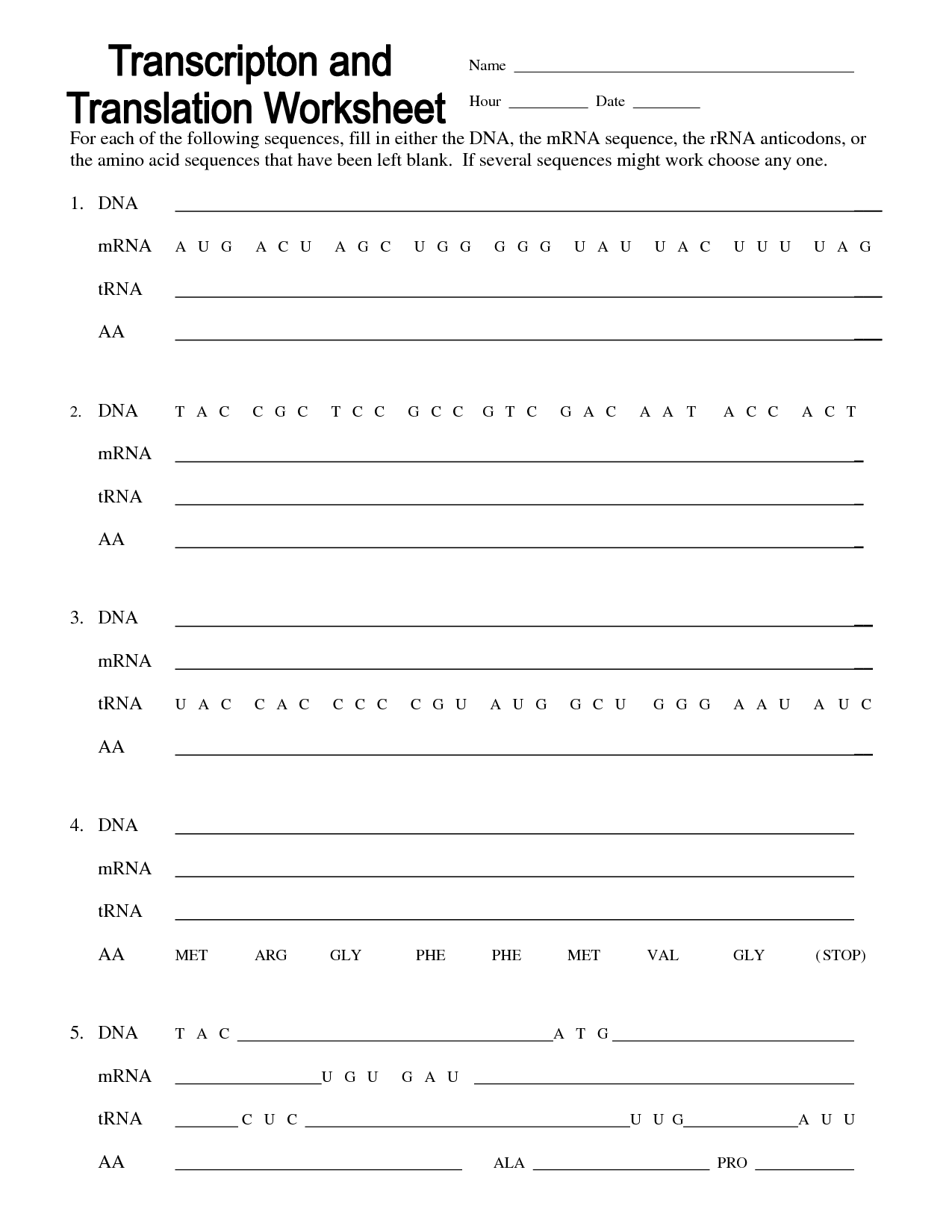
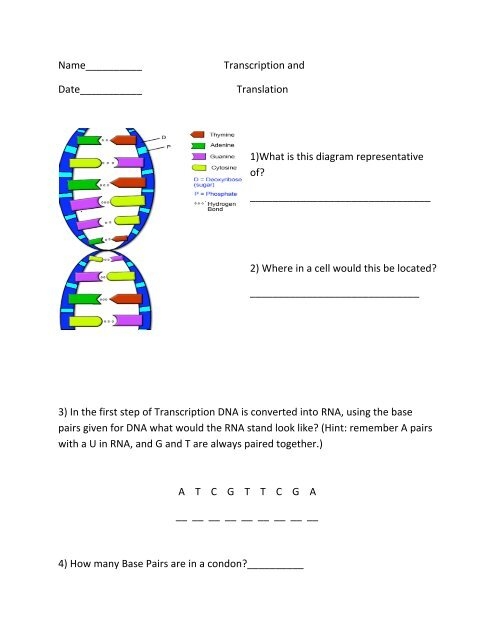
Transcription and translation worksheets are valuable tools for students to practice and reinforce their understanding of these processes. These worksheets typically include questions and activities that test students’ knowledge of transcription and translation, such as identifying the different types of RNA molecules involved, deciphering genetic codes, and predicting the amino acid sequence of a protein based on the mRNA sequence.
By completing transcription and translation worksheets, students can enhance their comprehension of these complex biological processes and improve their ability to apply their knowledge in real-world scenarios. These worksheets are also useful for educators to assess students’ understanding of transcription and translation and tailor their teaching methods accordingly.
In conclusion, transcription and translation are essential processes in molecular biology that are responsible for the synthesis of proteins in cells. Transcription and translation worksheets are valuable resources for students to practice and reinforce their knowledge of these processes, ultimately enhancing their understanding of gene expression and protein synthesis.