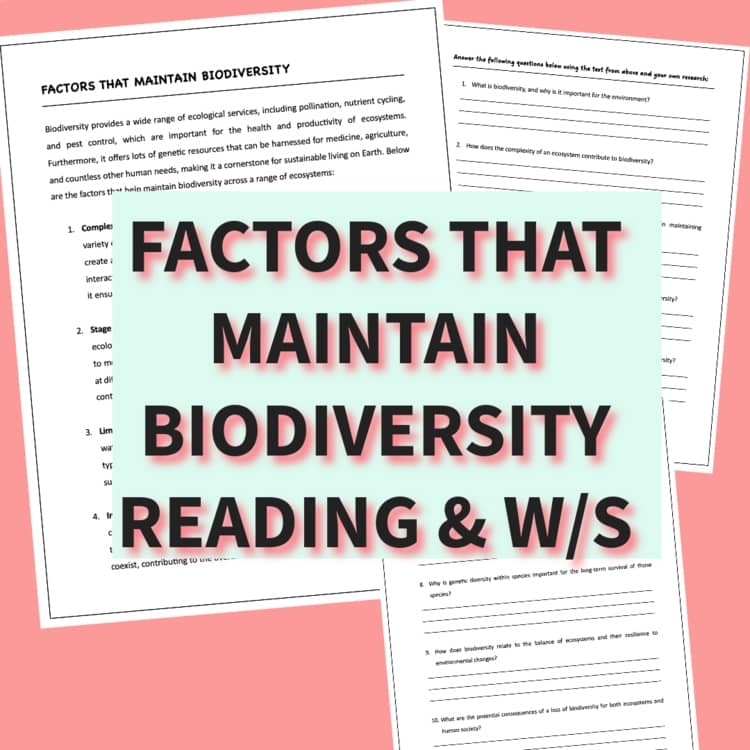
Biodiversity and population dynamics are crucial components of ecosystems, playing a vital role in maintaining the balance of nature. Understanding the factors that influence biodiversity and populations in ecosystems is essential for conservation efforts and sustainable management of natural resources.
Various factors can affect biodiversity and populations in ecosystems, including habitat loss, climate change, pollution, invasive species, and human activities. These factors can have both direct and indirect impacts on the diversity of species and the size of populations within an ecosystem.
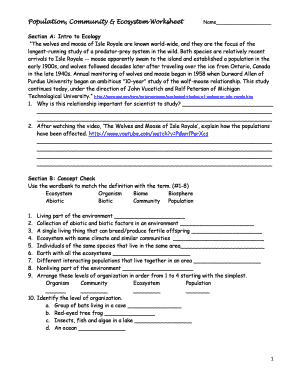 Factors Affects Biodiversity And Populations In Ecosystems Worksheet Answer Key
One of the key factors that affect biodiversity and populations in ecosystems is habitat loss. When natural habitats are destroyed or fragmented due to human activities such as deforestation, urbanization, or agriculture, it can lead to a loss of species diversity and population declines. This loss of habitat can disrupt the ecological balance and result in the decline or extinction of certain species.
Climate change is another significant factor that affects biodiversity and populations in ecosystems. Changes in temperature, precipitation patterns, and extreme weather events can alter the distribution and abundance of species, leading to shifts in population sizes and dynamics. Species that are unable to adapt to these changes may face extinction.
Pollution from various sources, such as chemicals, plastics, and heavy metals, can also have detrimental effects on biodiversity and populations in ecosystems. Pollution can contaminate water, soil, and air, impacting the health of plants, animals, and microorganisms. This can result in reduced biodiversity, population declines, and ecosystem degradation.
Invasive species pose a threat to biodiversity and populations in ecosystems by outcompeting native species for resources and habitat. Invasive species can disrupt the natural balance of an ecosystem, leading to declines in native species populations and loss of biodiversity. Efforts to control and eradicate invasive species are crucial for protecting the diversity of ecosystems.
In conclusion, understanding the factors that affect biodiversity and populations in ecosystems is essential for conservation and management efforts. By addressing issues such as habitat loss, climate change, pollution, and invasive species, we can work towards preserving the diversity of species and maintaining healthy ecosystems for future generations.