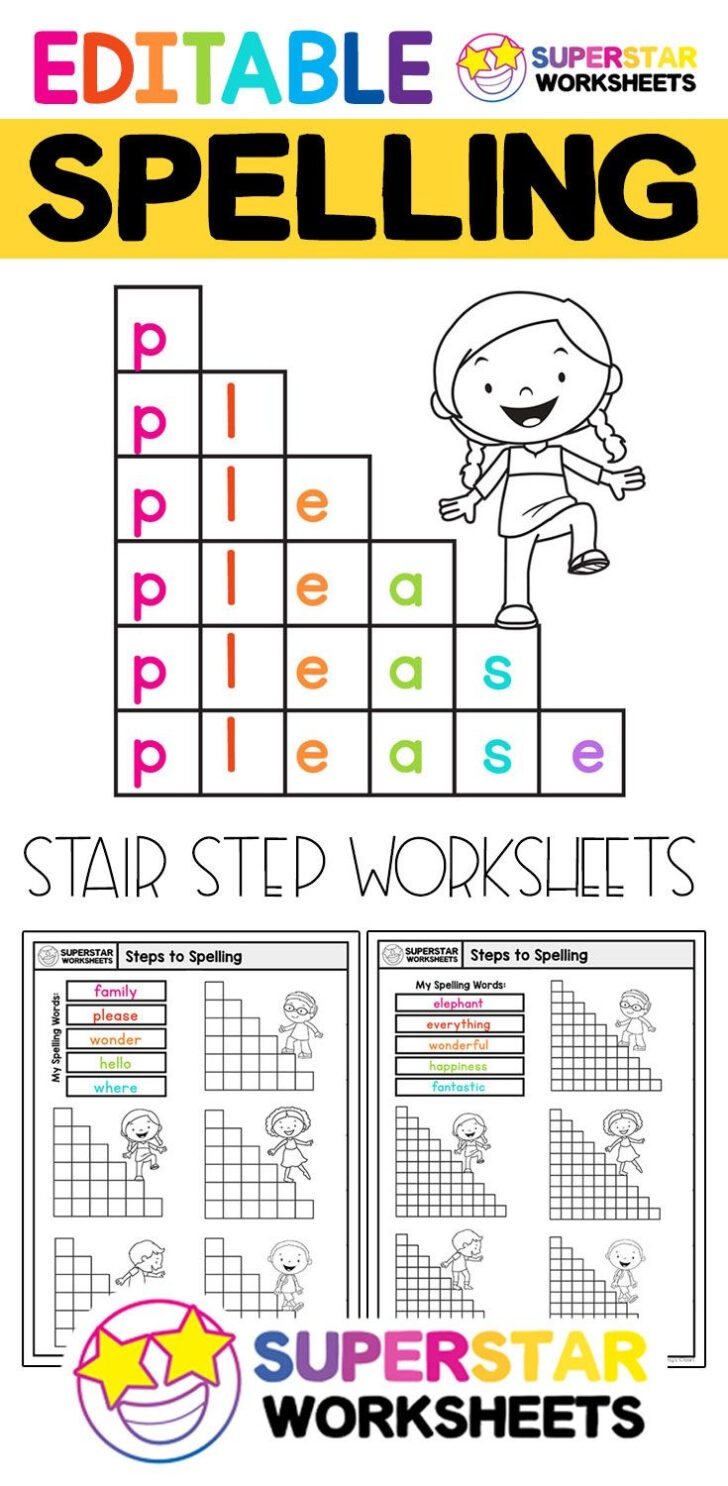
Spelling is a fundamental skill that every student needs to master in order to become proficient in reading and writing. One of the best ways to practice spelling is through the use of worksheets. Creating spelling worksheets can be a fun and effective way to help students improve their spelling skills while also reinforcing other language arts concepts.
When creating spelling worksheets, it’s important to consider the age and skill level of the students you are working with. For younger students, you may want to focus on simple words with common spelling patterns. For older students, you can incorporate more challenging words and concepts to keep them engaged and motivated.
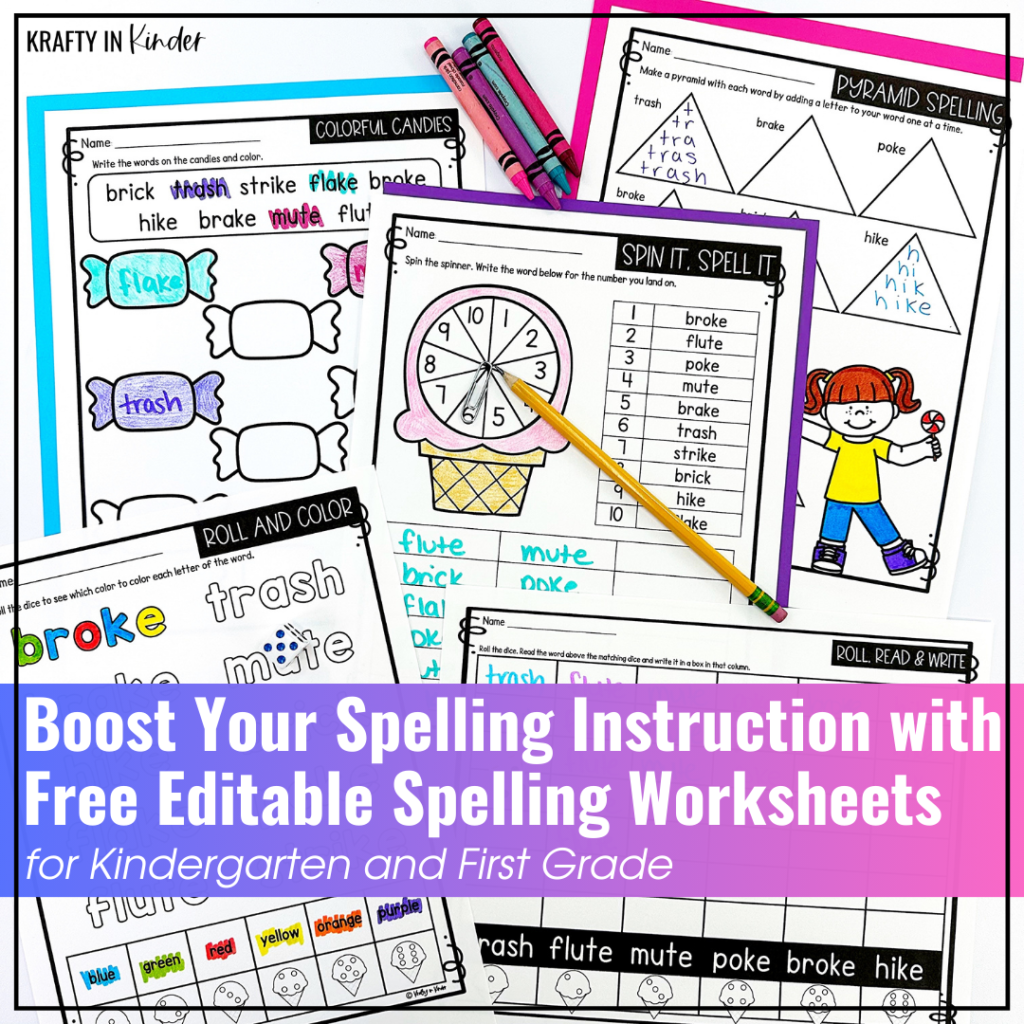 Create Spelling Worksheets
One way to create spelling worksheets is to use a word list generator. These tools allow you to input a list of words that you want students to practice spelling, and then automatically generate a worksheet with activities such as word scrambles, fill-in-the-blank sentences, and crossword puzzles. This can save you time and effort while still providing students with valuable spelling practice.
Another option is to create your own spelling worksheets from scratch. You can tailor the activities to suit the specific needs and abilities of your students, and incorporate other language arts skills such as grammar and vocabulary. This hands-on approach allows you to personalize the worksheets and make them more engaging for your students.
It’s also important to vary the types of activities on your spelling worksheets to keep students interested and challenged. Mix things up with a combination of word searches, word jumbles, and writing exercises to provide a well-rounded spelling practice experience. You can also incorporate interactive elements such as online games and quizzes to make learning spelling fun and engaging.
In conclusion, creating spelling worksheets is a valuable tool for helping students improve their spelling skills and reinforce other language arts concepts. Whether you use a word list generator or create your own worksheets from scratch, the key is to tailor the activities to the needs and abilities of your students, and keep things engaging and interactive. By incorporating a variety of activities and using a mix of tools and resources, you can help your students become confident and proficient spellers.