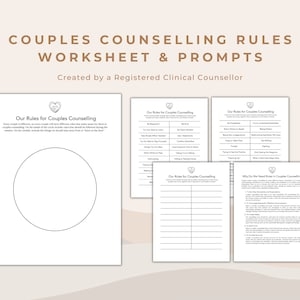
When couples face conflicts in their relationship, it is important for them to find ways to compromise and work through their differences. One effective tool that can be used in couples therapy is a compromising worksheet. This worksheet helps couples identify their needs and preferences, as well as areas where they can give and take to reach a mutually satisfying agreement.
Compromising in a relationship is not about giving up or losing, but rather finding a middle ground where both partners feel heard and understood. The compromising worksheet provides a structured framework for couples to have open and honest conversations about their wants and needs, and helps them come up with solutions that work for both parties.
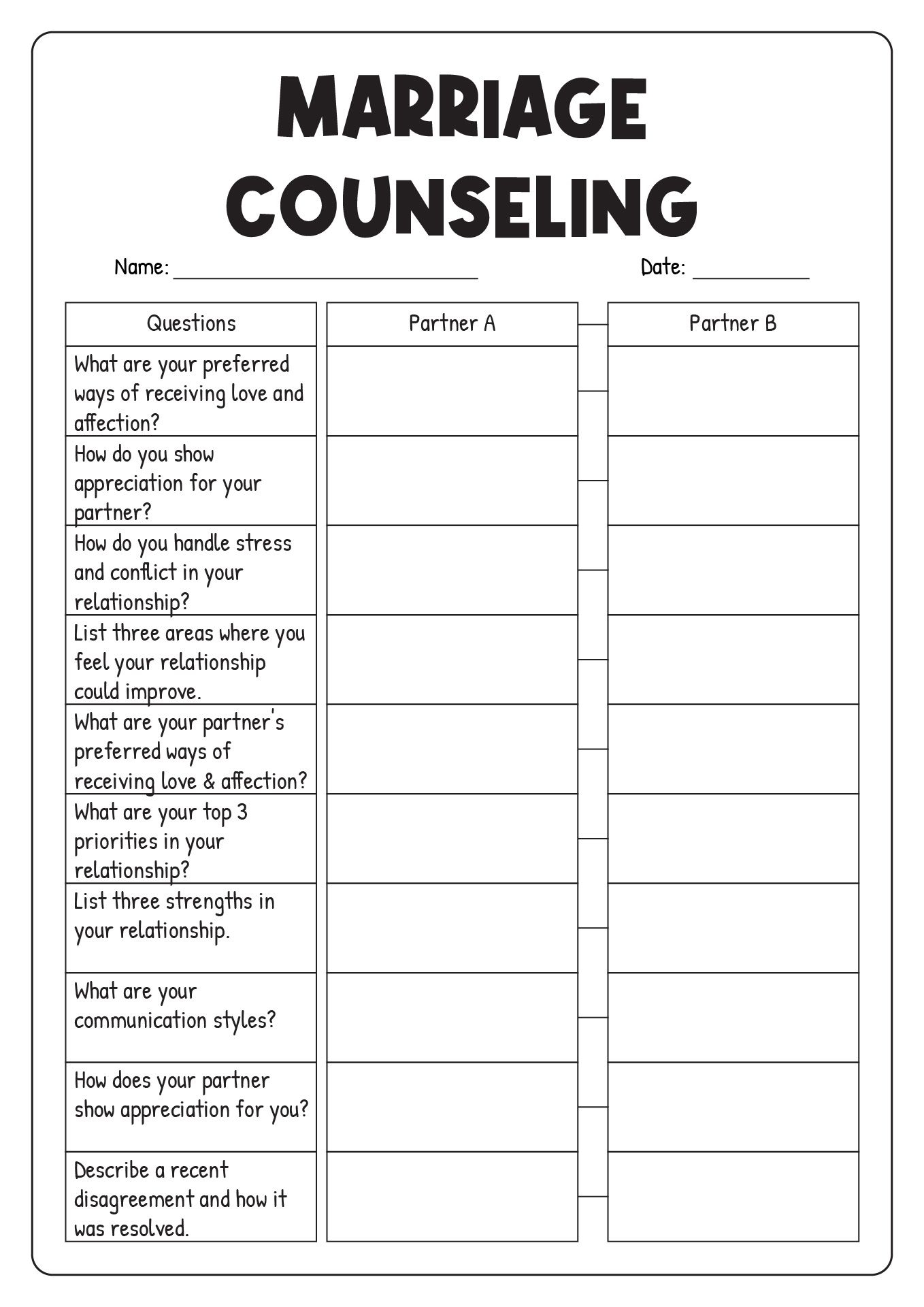 Compromising Worksheet For Couples Therapy
One of the key components of the compromising worksheet is the identification of each partner’s non-negotiables. These are the things that are most important to each individual and cannot be compromised on. By clearly defining these boundaries, couples can better understand where they need to stand firm and where they can be more flexible.
Another important aspect of the compromising worksheet is the exploration of different options and alternatives. Couples are encouraged to brainstorm creative solutions to their conflicts and think outside the box. By considering a variety of possibilities, couples can find new ways to meet each other’s needs and come up with compromises that are mutually beneficial.
Communication is key when using the compromising worksheet in couples therapy. Couples are encouraged to actively listen to each other’s perspectives, express their own thoughts and feelings in a respectful manner, and work together towards finding common ground. Through effective communication, couples can build trust, deepen their connection, and strengthen their relationship.
In conclusion, the compromising worksheet is a valuable tool for couples in therapy to navigate conflicts and reach compromises that satisfy both partners. By using this structured approach, couples can work together to find solutions that honor each other’s needs and preferences, leading to a more harmonious and fulfilling relationship.