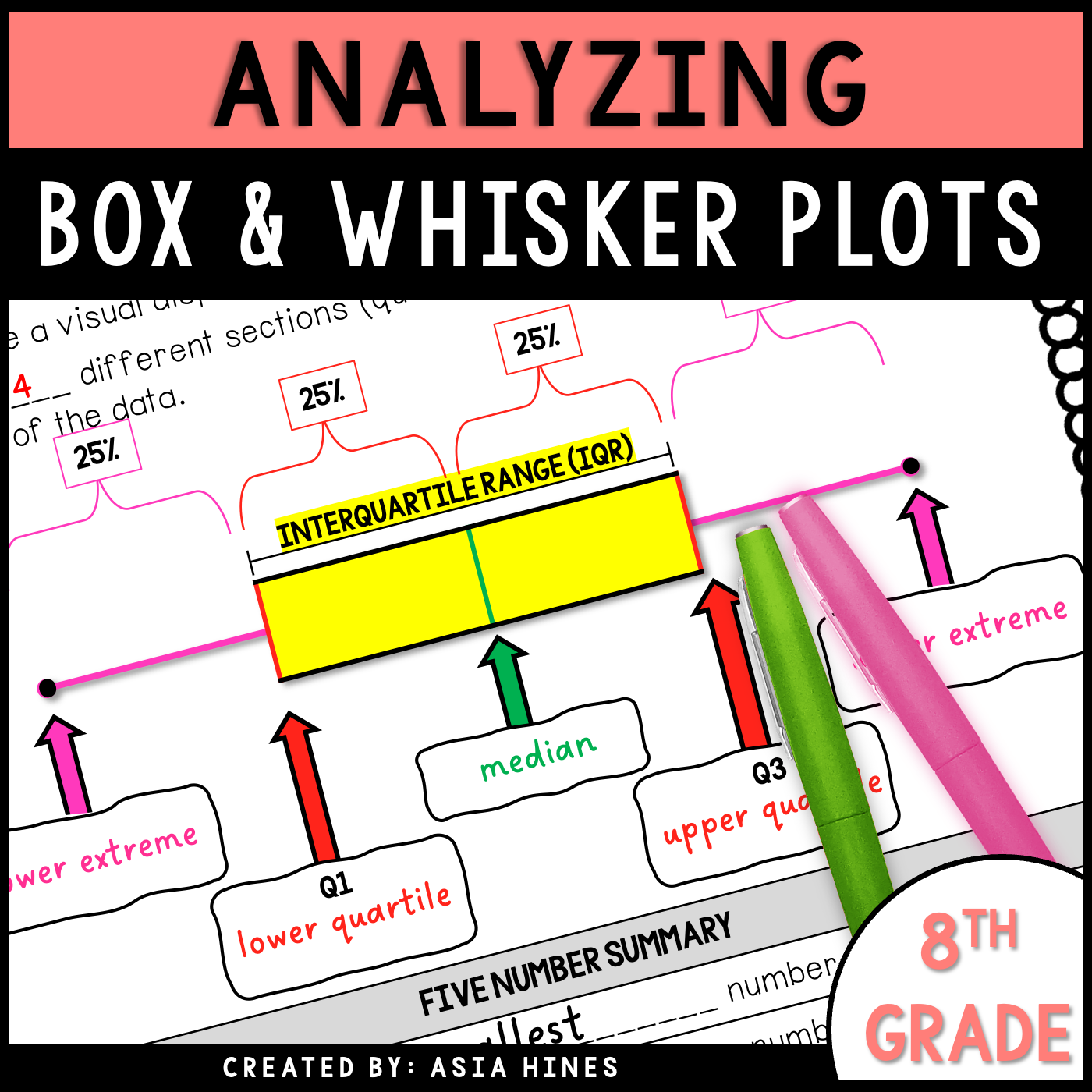
Box and whisker plots, also known as box plots, are a popular way to visually represent the distribution of a dataset. They provide a quick and easy way to see the spread of values, identify outliers, and compare multiple datasets. In this article, we will explore how to create and interpret box and whisker plots using worksheets.
Worksheets are a great tool for organizing data and performing calculations. When it comes to box and whisker plots, worksheets can help you input your data, calculate the necessary statistics, and automatically generate the plot. This can save you time and ensure accuracy in your visualizations.
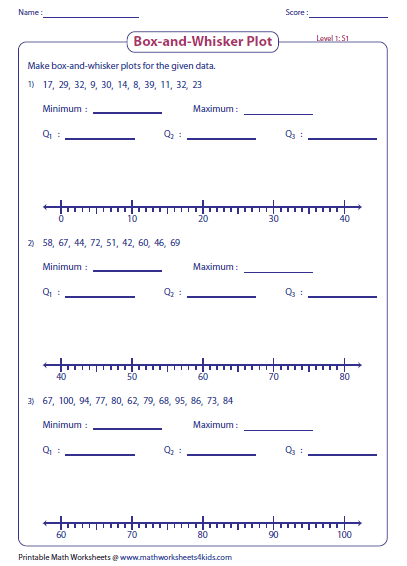 Worksheet Box And Whisker Plots
Creating a box and whisker plot using a worksheet involves a few key steps. First, you will need to input your dataset into the worksheet. This can be done in a single column or row, depending on your preference. Once your data is entered, you can use built-in functions or formulas to calculate the minimum, maximum, median, and quartiles of the dataset.
After calculating the necessary statistics, you can create the box and whisker plot using the data visualization tools available in the worksheet software. This typically involves selecting the data range, choosing the box and whisker plot option, and customizing the plot as needed. You can adjust the color, size, and style of the plot to make it easier to interpret and present to others.
Interpreting a box and whisker plot generated from a worksheet is straightforward once you understand the key components. The box represents the interquartile range (IQR), which is the middle 50% of the data. The whiskers extend from the minimum to the maximum values, excluding any outliers. Outliers are typically displayed as individual points outside of the whiskers.
In conclusion, using worksheets to create and interpret box and whisker plots can help you better understand your data and make informed decisions. By following the steps outlined in this article, you can easily generate accurate and visually appealing visualizations that highlight the key features of your dataset. Experiment with different datasets and customization options to enhance your data analysis skills and effectively communicate your findings.